This was first posted in late April. It was the third post I ever put on this site. Circumstantially, it is all still true except in 2008 I will be doing more work with Fig Media as a creative director. Hopefully, the creative director position will soon lead to part-time employment with benefits and will still allow me to teach.
Mondays tend to be long days for me.
Every week day, I get up at six am, feed the cats (Houdini and Oona), check e-mail, read, see my girlfriend off as she leaves for work, write and prepare for the day. On Mondays, I teach two classes in the afternoon at Columbia and then teach a class in the evening at Second City. I have been teaching at Second City since 1997 and at Columbia since 2004. This is my main source of income. I love teaching, but it has its frustrations as a life support system. I only get paid when I teach. When we're on break or vacation, I'm not getting paid. There's no salary, no health benefits. And if a class gets cancelled because there wasn't enough students enrolled, tough cookies. Doesn't matter that I cleared my schedule or planned for that money. It's gone. Columbia does give you a $100 consolation prize. I think that's to cover the cost of the booze or low-grade drugs you'll need to forget that you're now out a few thousand bucks.
When school's in session at Columbia, I usually teach two classes that meet twice a week. At Second City, I'm usually scheduled for two classes. I would love to teach more at both institutions. For the money? Yep. But also because, I LOVE teaching and have compiled enough experience to be able to handle the workload.
At Columbia, I'm part-time faculty. Most everyone there is part-time faculty. It's how they keep tuition costs low. That means they can't really throw more classes my way without having to answer to someone somewhere about making me full-time. At Second City, I'm considered a Guest Artist, which is beyond me. It's the lowest rung on the faculty ladder there. I used to be a Core Faculty Member, which I enjoyed. Unfortunately, during my time as the Artistic Director of ComedySportz, I wasn't able to maintain my Core Faculty duties, so I was, justifiably and with my agreement, bumped down. Then, of course, about two months later I left CSz. It's going on a year, now, since I left and I still haven't been able to get bumped back up at Second City. The advantages to being Core Faculty is that you are guaranteed three classes a term and are first up for workshops and intensives.
So, why do I put up with such a shaky income stream?
I love to teach.
In the spring of 1997, I was hired into The Second City National Touring Company. About a day later, I got a call from Martin DeMaat asking if I would like to teach improv classes.
"Um, why me?"
"Gut feeling. I think you'd be good at it."
"When would I start?"
"Tomorrow night."
"What do I do? What do I say?"
"It's the first class. Just run them through some basic 2-3 person scenes. You'll know what to say."
And he was right. I was surprised to discover that once I got in the room and started to work with them, I did know what to say. It was like every teacher I ever admired was whispering in my ear. I saw my words have a positive impact on how improvisers performed in scenes. I saw people light up.
I haven't found anything better. I direct, I write, I act, but mainly, I teach.
Wow - that last sentence made me gag. I love the other stuff, too. Probably as much. Sometimes more. Out of all the possible sources of income for me as an artist, teaching has been the most consistent. Teaching pays most of the bills. And I'm happy to be doing what I love.

satire, social commentary, sketch comedy, writing, stuff
Monday, December 31, 2007


Saturday, December 29, 2007
Saturday Morning Cartoons!
This was originally posted on May 19th.
Columbia College: My grades came in from both my history class and biology class. I got "A's" in both! That hasn't happened since my first quarter at Wright State University. Then I discovered a social life and it all plummeted from there. Unfortunately, being a part-time student, I don't get on the Dean's List. However, I found this other guy named Dean that I'm hoping will put me on his list.
SATURDAY MORNING CARTOONS!
Grab a bowl of Frosted Flakes, pour too much milk (soy) into it and sit your butt on a pillow in front of the screen! Last week's was a sketch by Peter Cook and Dudley Moore making fun of an old TV show called Thunderbirds Are Go!
This week, it's the real deal with Gumby and Pokey!
Columbia College: My grades came in from both my history class and biology class. I got "A's" in both! That hasn't happened since my first quarter at Wright State University. Then I discovered a social life and it all plummeted from there. Unfortunately, being a part-time student, I don't get on the Dean's List. However, I found this other guy named Dean that I'm hoping will put me on his list.

SATURDAY MORNING CARTOONS!
Grab a bowl of Frosted Flakes, pour too much milk (soy) into it and sit your butt on a pillow in front of the screen! Last week's was a sketch by Peter Cook and Dudley Moore making fun of an old TV show called Thunderbirds Are Go!

This week, it's the real deal with Gumby and Pokey!
Friday, December 28, 2007
History on Auto-Repeat
I was originally going to be reaching way back to the beginnings of this blog for "encore" postings, but yesterday's assassination of Benazir Bhutto prompted me to pull up this one from November 7th. Her assassination will likely have two affects: Musharef will stay in power, even if they hold elections as scheduled, and Al-Queda will gain more power. It's fucked up, but don't worry, the United States is giving our ally Pakistan lots of money because they are our friends and would never turn on us. At least, not until after we give them tons of money and military equipment.
(If you'd like to check out some fresh bloggery, go to Do You Speak English?. It's a fun site that features music and video oddities, mostly from the 60's.)
HISTORY ON AUTO-REPEAT
In 2005, at his second inaugural address as an un-elected president, Governor Bush said this...
All who live in tyranny and hopelessness can know: The United States will not ignore your oppression, or excuse your oppressors. When you stand for your liberty, we will stand with you.
Democratic reformers facing repression, prison or exile can know: America sees you for who you are -- the future leaders of your free country.
The rulers of outlaw regimes can know that we still believe as Abraham Lincoln did: "Those who deny freedom to others deserve it not for themselves; and, under the rule of a just God, cannot long retain it."
The leaders of governments with long habits of control need to know: To serve your people you must learn to trust them. Start on this journey of progress and justice, and America will walk at your side.
Of course, this is a pack of hypocrisy and lies. Something this administration sells and re-sells (refurbished, but packaged as new). If it were true, we wouldn't be giving Pakistani President Gen. Pervez Musharraf such a pass. Just to say "we're disappointed" isn't enough.
When the United States invaded Iraq in 2003, some of the reasons given were that Hussein was a tyrant oppressing his people and he was a threat to the safety of America because he was trying to develop a biological and nuclear weapons program. All the while Bush and Cheney were banging the drum to take Iraq, North Korea was standing near the punch bowl desperately trying to get Uncle Sam's attention and get him to dance. North Korea is an oppressed country run by a tyrant with nuclear capabilities that has often blatantly threatened the safety of the United States. North Korea has - and had at that time - long-range missiles that can strike the United States.
But Bush and his pals had set their sights on oil-laden Iraq and would not be deterred by an actual threat.
Today, as Bush's tin war drum beats to invade Iran because of the top three criteria; tyrant in power, nuclear capability, threat to America, the administration is ignoring Pakistan, a country that has a tyrant in power, nuclear capabilities and, if not directly threatening the United States, certainly has ties to Al-Queda, which Iraq did not. Pakistan even has someone able to take over power that has the will of their people, is a rational leader, and a bit of a babe, Prime Minister Benazir Bhutto. I'm not saying we should go to war with Pakistan. But if we are going to throw some military weight around, throw it where it makes sense.
If Bush really meant what he said with All who live in tyranny and hopelessness can know: The United States will not ignore your oppression, or excuse your oppressors. When you stand for your liberty, we will stand with you. Then we would be crawling all over Pakistan AND Darfur.

THE BS NEWS QUIZ OF THE DAY
Yesterday, I asked...
"According to the sheriff's office in Collier County, Florida, kids are getting high on a new drug whose active ingredient is what?"
30% said "Magic Markers"
- Mmmm, magic markers smell good. Why is my nose bleeding purple?
30% tried "Fermented Twinkies"
- No wonder Twinkie the Kidd always seemed so spastic.
No one thought anyone was getting high on "Life"
- Unless its Mikey.
40 % squeezed out the right answer with "Human Poop"
According to The Smoking Gun, there's a purported "new drug" favored by the kids. It's a homemade inhalant called "Jenkem," and causes hallucinations and a "euphoric high." Jenkem's active ingredients are urine and fecal matter. Guess smoking crack wasn't enough. Now we're going for the whole ass.
Thursday, December 27, 2007
Putting Together a Running Order for a One-Act Sketch Revue
No Robowriters tonight!
We're on break until after Chicago Sketchfest. We will return on January 17th.Come see our shows on the 3rd and the 10th.
Here's a post from April 23rd. It's an essay I wrote a three years ago after seeing a few shows where I thought the cast was very talented and the material decent, but the show was off because of how the show was presented. If you have read it before and find something new, it is not because of my brilliant and layered writing style. I will from time-to-time tweak and update it.
Putting Together a Running Order for a One-Act Sketch Revue
Today, I am putting together the final running order for Savage Breast as well as putting the final touches on The Couch of Comedy's Baaaaadaaaaasssss Revue and OLD's Sketch Khakis. It reminded me of an article I wrote a few years ago where I compiled my philosophies for putting an RO (running order) together. Here it is, slightly amended.
This piece specifically addresses the typical revue done in Chicago, which is usually only 30-50 minutes long. Only Second City tends to do revues in two acts.
The information is culled from over twenty years of working in improv and sketch comedy. There are similarities in philosophy in what I present here in Second City’s Improv Almanac and Bernie Sahlin’s book on creating revues. I recommend you read them. I also think the best teacher is doing shows, applying the theories and seeing them in action.
Often, I will see a show where I like the cast, I like some of the material, and the show just doesn’t work. I leave saying polite things, but there’s no excitement at having just shared something special. There’s something missing. I think the audience feels this, too, but probably has an even tougher time pinning down why. The actors may just chalk it up to a tough night or an unresponsive crowd.
Many times, the problem lies in the order of the material. Many groups focus on the individual scenes of a show and forget about the show itself. Or, I’ve seen them focus so much on style and transitions, that they forget to focus on the content and flow of the show. Essentially, what they perform is a comedy recital, not a revue.
STRIKING A DEAL WITH THE AUDIENCE
In every relationship, there’s a deal going on – often unspoken – on what the two people expect from one another. I’ll be the guy you can go have a beer with when your boss is pissing you off and you be the guy I go to when I need a good laugh.
There’s this notion that the audience needs to be warmed-up, like they’re athletes getting ready for a workout. It’s not so much that they need to warm up, but need to be allowed the chance to warm up to you. They need to get a chance to meet you and like you. Then they can relax and really enjoy themselves. If they aren’t sold on you, it’s that uphill battle, again.
In a revue, the audience is looking to strike a relationship deal with the ensemble.
A show, like a scene, can be broken down into a beginning, middle and an end. In a scene, it’s important to establish with an audience the who, what and where so they can be in on action. The same goes for the whole show. In the first few minutes, if not seconds, of a show, the audience is looking to strike a deal with you. They want to know who you are, what you’re about, and that you care about them. They want to be your partner on this journey. They want to be assured that they have spent their time and money well. If you don’t gain their confidence at the start, you may have an uphill battle. Or you go through the show thinking, “we’ll get them with the next scene, that always kills.” You’ll never feel like you’re on sure ground with them. After the show, you may go on to blame the lack of rapport on things like the space, the tech, the time of day, the audience itself. Those have some validity, but what’s certain is that they never got on board with you.
Audiences want to laugh. They showed up, didn’t they? They are looking for opportunities. But they see and judge everything, especially in the beginning of a show. I have, on several occasions, turned to someone next to me in an audience after less than a minute and whispered “we’re in trouble.” And we were. How did I know? I look at several factors, so does the audience, but they may not be as cognizant of it… Did the show start on time or close to it? Are the performers any good? Do I like them? Are they trying too hard or not hard enough? Do they have confidence in the material? Is the material any good? Do I know what the hell is going on? Do I care?
Do I like them and do I care are probably the most important. At the start of a show, I’m looking to see if I want to invest in what’s happening on stage. If it’s coming across as amateur night, and totally lacking on all counts, then I’d rather be spending that hour at the dentist’s.
The sketch revue didn’t just happen. It’s roots can be traced to early Broadway and Vaudeville. It was honed in the early part of the century and when revues started to fade on Broadway, big musicals came storming in. Musicals stole from revues and are structured like them. They tend to start off with big, friendly numbers that introduce us to the main characters and the world they live in. If we don’t like them, it’s going to be a long night. That’s why the opening number also tends to be very upbeat.
THE OPENING
The first three scenes of your show are the most important.
The first scene, the opener, is your first introduction of the cast to the audience. It’s important that the players are all well represented and portray characters that aren’t too far off the mark of their own personality. This is where you strike a deal with the audience saying this is who we are, get to know us, we’ll take care of you. Other key components of an opener is that it’s high energy, well staged and well executed. Many shows open with a song. This is smart, as long as the song is also upbeat, uses the whole cast, and is performed well. A sloppy song up front will have an alienating affect on the audience. You’re better off going with a high energy ensemble scene than a song if your company isn’t up to the musical task.
The second scene should be something quieter, more intimate. Even a monologue or someone directly addressing the audience could go here. The idea is to explode on stage to kick up the energy in the room and then to focus the audience’s energy with something softer. A two person relationship scene is common in this slot.
The third scene is another opportunity to meet the ensemble, but here, more extreme characters can be brought into play. Since the audience already has a sense of who you are, they’re now ready to happily follow along with you with your oddball character wearing the fake beard and rainbow fright wig.
I have also seen variations on this where the opening is essentially a series of very short scenes or black outs. Or where the first two scenes are high energy ensemble pieces. They worked well, too and set the appropriate tone of the show with the audience.
The first third of your show is where you want to plant strong, accessible material. Accessible material is the more conventional stuff that people can relate to. That doesn’t mean this is where you put “airplane food, men leaving toilet seats up” stuff. Don’t pander. Don’t put in anything that doesn’t represent your style. But do put in the best of what you do that’s the easiest to grasp. This is where you are building trust with the audience.
THE MIDDLE
Right in the middle of your show is a good place to put another cast scene. This should be very different from the opener, but also upbeat. It can be another song or an ensemble piece that uses the whole space. It’s another opportunity for the audience to connect with your group as a group. And it’s an opportunity for you to give them another jolt of energy to carry them through to the end. You can also look at this as an opportunity to raise the stakes, as you would in a scene, and put in a cast scene that really showcases the talents of the group. Here, in a cast scene in the middle of the show, it’s less important that everyone be represented as equally as in the opener.
BETWEEN THE MIDDLE AND THE END
Two-thirds of the way into your show is a good place to put riskier material. Now that the audience knows you, loves you and trusts you, they’re more willing to go along with you on trickier stuff. This is a good place for hot topic issues that might turn off some people or for the weird surreal Dada stuff that you really love to do. This is a good place for any scene that breaks typical theatrical conventions. Deconstruction scenes are good here. Now you’ve gained the confidence of the audience, even if it’s not their cup of tea, they’ll go along with you to see where you are going. And, in their mind, if they don’t like the scene where you eat ketchup out of straw while a ballerina in a leather jacket punches a newborn calf, they know they’ve liked your other stuff and will wait to see what’s next.
THE END
The last third is where you really want to leave them with a lasting impression. This is where you put the best material. The scene right before your closer should be the funniest scene you have in your arsenal. This is often called the “runner” or “run out.” I don’t know why. Perhaps it’s because it really picks up steam and runs you into your closer.
The closer – like the opener, should be full of energy and be well performed. It’s another slot where many groups will put a song. It’s important that the closer have a satisfying conclusion. It’s the closer for a reason. You want the audience to feel complete. The whole cast should, again, be represented. That doesn’t necessarily mean equally. The closer should be more theatrical than the opener. This is where you pull out all the stops.
Things to LOOK OUT! For
- CONTENT – Unless you’re gunning for a theme, have a variety of material. Not just in content, but form and style, too. Unless you’re a two-person group, a series of two-persons scenes will get tiresome. Even if you are a two-person group, you need to vary the form of the pieces and the dynamics of the relationship. Otherwise, you’re just doing the same two-person scene over and over, again. Or you’re doing stand-up. We get it, that guy’s smart and the other one’s dumb. Move on!
- If you do have a few pieces that are similar, you may not have to ditch all but one. If you have three pieces that deal with proposing marriage, or seeing a doctor, you can put them all together in a suite of scenes. But make sure they each have a distinct take on going to the doctor or on popping the question. There might also be a way to connect them. Maybe the doctor character can all be the same guy. In that case, spread them out.
- Typically, avoid ending a scene and starting a scene with the same person. Unless that person is playing the same character, you want to wipe the slate clean. If the person left on happens to have a great range and a fresh style, this is not so much a problem. But if it’s a performer who, although competent, is limited, you’ll want to avoid relying on them so heavily.
- Don’t keep actors hanging out on stage too long or abandon them backstage. Use an actor two or three times in a row at the most and then keep them out of at least one scene. When you do keep someone out on stage, make sure they are not the lead character in all their scenes. Don’t keep anyone out of more than two or three scenes in a row. The audience wants to keep in touch with the people they met in the beginning.
A QUICK NOTE ABOUT SELECTING MATERIAL
When putting a show together, first develop a generous amount of material and then select those scenes with which your revue cannot do without. They are your strongest scenes. They are also the most definitive of your company’s unique voice. They are the ones everyone is in most agreement about. These are your cornerstones. Now, you can build a show around then. Material developed from this point can be geared towards what’s already there – thematically, stylistically, and in content, including possibly expanding or recurring characters. Every successful revue creates a world in which the audience wants to live, or least spend time in. Your set pieces help structure that world and the other scenes, including transitions, help put muscle and flesh on that world.
In ensembles, there will be some people stronger than others when it comes to performance skill. Try to keep the casting as balanced as possible, but if someone doesn't have a lot of range, it's not a crime to use them a little less than the performer with a wider range. Just make sure everyone gets their moment or two to really shine.
THE BOTTOM LINE
A SHOW IS LIKE A SCENE, WITH A BEGINNING, A MIDDLE AND AN END
OPENING (THE FIRST THREE SCENES)
– STRIKE A DEAL WITH THE AUDIENCE
– GAIN THE AUDIENCE’S CONFIDENCE
– THE FIRST SCENE IS HIGH ENERGY, WHOLE ENSEMBLE, CHARACTERS CLOSE TO THE PERSONALITY OF THE ENSEMBLE MEMBERS
– SONGS ARE GREAT TO USE, BUT ONLY IF YOU CAN PULL THEM OFF – A SONG, NO MATTER HOW GOOD, IF PERFORMED POORLY, WILL MAKE THE AUDIENCE UNCOMFORTABLE
– FOLLOW OPENING WITH A QUIETER, MORE INTIMATE SCENE, SUCH AS SOLO PIECE OR RELATIONSHIP SCENE (BE LOUD TO GET THEIR ATTENTION AND THEN WHISPER TO DRAW THEM IN)
– THE AUDIENCE SHOULD GET A CHANCE TO SEE THE WHOLE CAST AT LEAST TWICE WITHIN THE FIRST THREE SCENES OF THE SHOW
MIDDLE
– ANOTHER ENSEMBLE PIECE
– HIGH ENERGY, QUIRKY, GIVES A JOLT OF ENERGY
MIDDLE-TO-END
- PLACE RISKIER STUFF HERE
- RIGHT BEFORE THE CLOSER, PLACE YOUR FUNNIEST SCENE (NOT NECESSARILY THE BEST – THE FUNNIEST)
CLOSER
- ENSEMBLE PIECE WITH STRONG STORY/RESOLUTION
- PULL OUT ALL THE STOPS
- BRINGS THE WHOLE SHOW TO A NATURAL CONCLUSION
- OFTEN A BOOK END TO THE OPENER, IF NOT IN CONTENT, THEN IN STYLE AND IN WRAPPING UP THEMES AND UNFINISHED BUSINESS
We're on break until after Chicago Sketchfest. We will return on January 17th.Come see our shows on the 3rd and the 10th.
Here's a post from April 23rd. It's an essay I wrote a three years ago after seeing a few shows where I thought the cast was very talented and the material decent, but the show was off because of how the show was presented. If you have read it before and find something new, it is not because of my brilliant and layered writing style. I will from time-to-time tweak and update it.
Putting Together a Running Order for a One-Act Sketch Revue
Today, I am putting together the final running order for Savage Breast as well as putting the final touches on The Couch of Comedy's Baaaaadaaaaasssss Revue and OLD's Sketch Khakis. It reminded me of an article I wrote a few years ago where I compiled my philosophies for putting an RO (running order) together. Here it is, slightly amended.
This piece specifically addresses the typical revue done in Chicago, which is usually only 30-50 minutes long. Only Second City tends to do revues in two acts.
The information is culled from over twenty years of working in improv and sketch comedy. There are similarities in philosophy in what I present here in Second City’s Improv Almanac and Bernie Sahlin’s book on creating revues. I recommend you read them. I also think the best teacher is doing shows, applying the theories and seeing them in action.
Often, I will see a show where I like the cast, I like some of the material, and the show just doesn’t work. I leave saying polite things, but there’s no excitement at having just shared something special. There’s something missing. I think the audience feels this, too, but probably has an even tougher time pinning down why. The actors may just chalk it up to a tough night or an unresponsive crowd.
Many times, the problem lies in the order of the material. Many groups focus on the individual scenes of a show and forget about the show itself. Or, I’ve seen them focus so much on style and transitions, that they forget to focus on the content and flow of the show. Essentially, what they perform is a comedy recital, not a revue.
STRIKING A DEAL WITH THE AUDIENCE
“Let’s establish who the performers are and then surprise them with what else they can do.” – Paul Sills
In every relationship, there’s a deal going on – often unspoken – on what the two people expect from one another. I’ll be the guy you can go have a beer with when your boss is pissing you off and you be the guy I go to when I need a good laugh.
There’s this notion that the audience needs to be warmed-up, like they’re athletes getting ready for a workout. It’s not so much that they need to warm up, but need to be allowed the chance to warm up to you. They need to get a chance to meet you and like you. Then they can relax and really enjoy themselves. If they aren’t sold on you, it’s that uphill battle, again.
In a revue, the audience is looking to strike a relationship deal with the ensemble.
A show, like a scene, can be broken down into a beginning, middle and an end. In a scene, it’s important to establish with an audience the who, what and where so they can be in on action. The same goes for the whole show. In the first few minutes, if not seconds, of a show, the audience is looking to strike a deal with you. They want to know who you are, what you’re about, and that you care about them. They want to be your partner on this journey. They want to be assured that they have spent their time and money well. If you don’t gain their confidence at the start, you may have an uphill battle. Or you go through the show thinking, “we’ll get them with the next scene, that always kills.” You’ll never feel like you’re on sure ground with them. After the show, you may go on to blame the lack of rapport on things like the space, the tech, the time of day, the audience itself. Those have some validity, but what’s certain is that they never got on board with you.
Audiences want to laugh. They showed up, didn’t they? They are looking for opportunities. But they see and judge everything, especially in the beginning of a show. I have, on several occasions, turned to someone next to me in an audience after less than a minute and whispered “we’re in trouble.” And we were. How did I know? I look at several factors, so does the audience, but they may not be as cognizant of it… Did the show start on time or close to it? Are the performers any good? Do I like them? Are they trying too hard or not hard enough? Do they have confidence in the material? Is the material any good? Do I know what the hell is going on? Do I care?
Do I like them and do I care are probably the most important. At the start of a show, I’m looking to see if I want to invest in what’s happening on stage. If it’s coming across as amateur night, and totally lacking on all counts, then I’d rather be spending that hour at the dentist’s.
The sketch revue didn’t just happen. It’s roots can be traced to early Broadway and Vaudeville. It was honed in the early part of the century and when revues started to fade on Broadway, big musicals came storming in. Musicals stole from revues and are structured like them. They tend to start off with big, friendly numbers that introduce us to the main characters and the world they live in. If we don’t like them, it’s going to be a long night. That’s why the opening number also tends to be very upbeat.
THE OPENING
The first three scenes of your show are the most important.
The first scene, the opener, is your first introduction of the cast to the audience. It’s important that the players are all well represented and portray characters that aren’t too far off the mark of their own personality. This is where you strike a deal with the audience saying this is who we are, get to know us, we’ll take care of you. Other key components of an opener is that it’s high energy, well staged and well executed. Many shows open with a song. This is smart, as long as the song is also upbeat, uses the whole cast, and is performed well. A sloppy song up front will have an alienating affect on the audience. You’re better off going with a high energy ensemble scene than a song if your company isn’t up to the musical task.
The second scene should be something quieter, more intimate. Even a monologue or someone directly addressing the audience could go here. The idea is to explode on stage to kick up the energy in the room and then to focus the audience’s energy with something softer. A two person relationship scene is common in this slot.
The third scene is another opportunity to meet the ensemble, but here, more extreme characters can be brought into play. Since the audience already has a sense of who you are, they’re now ready to happily follow along with you with your oddball character wearing the fake beard and rainbow fright wig.
I have also seen variations on this where the opening is essentially a series of very short scenes or black outs. Or where the first two scenes are high energy ensemble pieces. They worked well, too and set the appropriate tone of the show with the audience.
The first third of your show is where you want to plant strong, accessible material. Accessible material is the more conventional stuff that people can relate to. That doesn’t mean this is where you put “airplane food, men leaving toilet seats up” stuff. Don’t pander. Don’t put in anything that doesn’t represent your style. But do put in the best of what you do that’s the easiest to grasp. This is where you are building trust with the audience.
THE MIDDLE
Right in the middle of your show is a good place to put another cast scene. This should be very different from the opener, but also upbeat. It can be another song or an ensemble piece that uses the whole space. It’s another opportunity for the audience to connect with your group as a group. And it’s an opportunity for you to give them another jolt of energy to carry them through to the end. You can also look at this as an opportunity to raise the stakes, as you would in a scene, and put in a cast scene that really showcases the talents of the group. Here, in a cast scene in the middle of the show, it’s less important that everyone be represented as equally as in the opener.
BETWEEN THE MIDDLE AND THE END
Two-thirds of the way into your show is a good place to put riskier material. Now that the audience knows you, loves you and trusts you, they’re more willing to go along with you on trickier stuff. This is a good place for hot topic issues that might turn off some people or for the weird surreal Dada stuff that you really love to do. This is a good place for any scene that breaks typical theatrical conventions. Deconstruction scenes are good here. Now you’ve gained the confidence of the audience, even if it’s not their cup of tea, they’ll go along with you to see where you are going. And, in their mind, if they don’t like the scene where you eat ketchup out of straw while a ballerina in a leather jacket punches a newborn calf, they know they’ve liked your other stuff and will wait to see what’s next.
THE END
The last third is where you really want to leave them with a lasting impression. This is where you put the best material. The scene right before your closer should be the funniest scene you have in your arsenal. This is often called the “runner” or “run out.” I don’t know why. Perhaps it’s because it really picks up steam and runs you into your closer.
The closer – like the opener, should be full of energy and be well performed. It’s another slot where many groups will put a song. It’s important that the closer have a satisfying conclusion. It’s the closer for a reason. You want the audience to feel complete. The whole cast should, again, be represented. That doesn’t necessarily mean equally. The closer should be more theatrical than the opener. This is where you pull out all the stops.
Things to LOOK OUT! For
- CONTENT – Unless you’re gunning for a theme, have a variety of material. Not just in content, but form and style, too. Unless you’re a two-person group, a series of two-persons scenes will get tiresome. Even if you are a two-person group, you need to vary the form of the pieces and the dynamics of the relationship. Otherwise, you’re just doing the same two-person scene over and over, again. Or you’re doing stand-up. We get it, that guy’s smart and the other one’s dumb. Move on!
- If you do have a few pieces that are similar, you may not have to ditch all but one. If you have three pieces that deal with proposing marriage, or seeing a doctor, you can put them all together in a suite of scenes. But make sure they each have a distinct take on going to the doctor or on popping the question. There might also be a way to connect them. Maybe the doctor character can all be the same guy. In that case, spread them out.
- Typically, avoid ending a scene and starting a scene with the same person. Unless that person is playing the same character, you want to wipe the slate clean. If the person left on happens to have a great range and a fresh style, this is not so much a problem. But if it’s a performer who, although competent, is limited, you’ll want to avoid relying on them so heavily.
- Don’t keep actors hanging out on stage too long or abandon them backstage. Use an actor two or three times in a row at the most and then keep them out of at least one scene. When you do keep someone out on stage, make sure they are not the lead character in all their scenes. Don’t keep anyone out of more than two or three scenes in a row. The audience wants to keep in touch with the people they met in the beginning.
A QUICK NOTE ABOUT SELECTING MATERIAL
When putting a show together, first develop a generous amount of material and then select those scenes with which your revue cannot do without. They are your strongest scenes. They are also the most definitive of your company’s unique voice. They are the ones everyone is in most agreement about. These are your cornerstones. Now, you can build a show around then. Material developed from this point can be geared towards what’s already there – thematically, stylistically, and in content, including possibly expanding or recurring characters. Every successful revue creates a world in which the audience wants to live, or least spend time in. Your set pieces help structure that world and the other scenes, including transitions, help put muscle and flesh on that world.
In ensembles, there will be some people stronger than others when it comes to performance skill. Try to keep the casting as balanced as possible, but if someone doesn't have a lot of range, it's not a crime to use them a little less than the performer with a wider range. Just make sure everyone gets their moment or two to really shine.
THE BOTTOM LINE
A SHOW IS LIKE A SCENE, WITH A BEGINNING, A MIDDLE AND AN END
OPENING (THE FIRST THREE SCENES)
– STRIKE A DEAL WITH THE AUDIENCE
– GAIN THE AUDIENCE’S CONFIDENCE
– THE FIRST SCENE IS HIGH ENERGY, WHOLE ENSEMBLE, CHARACTERS CLOSE TO THE PERSONALITY OF THE ENSEMBLE MEMBERS
– SONGS ARE GREAT TO USE, BUT ONLY IF YOU CAN PULL THEM OFF – A SONG, NO MATTER HOW GOOD, IF PERFORMED POORLY, WILL MAKE THE AUDIENCE UNCOMFORTABLE
– FOLLOW OPENING WITH A QUIETER, MORE INTIMATE SCENE, SUCH AS SOLO PIECE OR RELATIONSHIP SCENE (BE LOUD TO GET THEIR ATTENTION AND THEN WHISPER TO DRAW THEM IN)
– THE AUDIENCE SHOULD GET A CHANCE TO SEE THE WHOLE CAST AT LEAST TWICE WITHIN THE FIRST THREE SCENES OF THE SHOW
MIDDLE
– ANOTHER ENSEMBLE PIECE
– HIGH ENERGY, QUIRKY, GIVES A JOLT OF ENERGY
MIDDLE-TO-END
- PLACE RISKIER STUFF HERE
- RIGHT BEFORE THE CLOSER, PLACE YOUR FUNNIEST SCENE (NOT NECESSARILY THE BEST – THE FUNNIEST)
CLOSER
- ENSEMBLE PIECE WITH STRONG STORY/RESOLUTION
- PULL OUT ALL THE STOPS
- BRINGS THE WHOLE SHOW TO A NATURAL CONCLUSION
- OFTEN A BOOK END TO THE OPENER, IF NOT IN CONTENT, THEN IN STYLE AND IN WRAPPING UP THEMES AND UNFINISHED BUSINESS
Sunday, December 23, 2007
Happy Holidays!
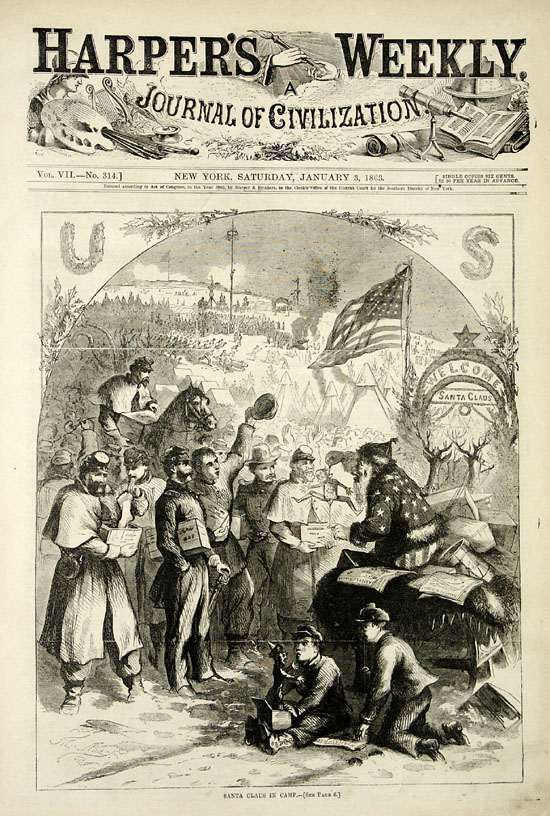
Swinging through Indiana today to see Julie's parents and then on to Ohio tomorrow to see my mom and brothers. Instead of us trekking to a Chinese buffet on Christmas, Julie is going to cook my family a huge Thai dinner. We'll get back on Wednesday.
Robowriters is cancelled for Thursday, December 27th and will return after Sketchfest on January 17th.
Have a happy holiday, in spite of how screwed up the world is.
Saturday, December 22, 2007
Saturday Morning Cartoons!
(This "Saturday Morning Cartoon" was the first ever on this blog posted on May, 12, 2007. I am taking a semi-vacation from blogging over the holiday and will be posting "encore presentations" that you may have missed. Enjoy your holidays. - Joe)
It's Saturday morning! Grab a pillow to sit on. Go get a bowl of Corn Pops.
Don't sit next to your brother. He'll try to fart on your cereal.
And when you're done with that, check out the fun we had at Looptopia. Been a long time since I got my Dada on in front of an audience.
It's Saturday morning! Grab a pillow to sit on. Go get a bowl of Corn Pops.
Don't sit next to your brother. He'll try to fart on your cereal.
And when you're done with that, check out the fun we had at Looptopia. Been a long time since I got my Dada on in front of an audience.
Friday, December 21, 2007
Anton Chekhov's Bastard Child
One of my favorite shows ever that I directed was called Anton Chekhov's Bastard Child. The first and only show, that I know of, that tried to mix improv and writing. It featured four writers, on stage, with manual typewriters and four actor/improvisers. Writers would be churning out scripts as actors would rip them from their printing machines and act out scenes until they ran out of printed words and then start improvising. There were typos a-plenty, which the actors usually incorporated with glee. We did break-up songs, puppet shows and news casts. The big finish was an exquisite corpse-style poetry slam with guitar and drums. It was quite an undertaking. The original cast of writers was Aaron Sjoholm, Amy Guth, Greg Pokuza and Joe Linstroth. The original actor/improvisers were Gabe Garza, Kate Powers, Mike Johnson and Rebecca Wallenford (I probably just royally screwed up Rebecca's last name - sorry Rebecca!). That company of peeps became the seedlings of Teatro Bastardo which begat Robot vs Dinosaur-Chicago.
When the show rocked, it tore the roof off the place. When it sucked, it sucked mightily. There was no in-between. It's a tough show to deliver and I think our ambition was running a few yards ahead of our talent. The last time we did the show may have been in 2003. It would be interesting to bring it back to see how our chops measure up to the demands of the show.
ROBOWRITERS ASSIGNMENT
We used to start ACBC by getting a line of dialogue chosen at random by an audience member from the works of Anton Chekhov. The four writers would immediately dive in to cranking out three three-line maximum scenes. The actors would start performing them after the first four were complete. The last four scenes were usually pulled from the typewriters mid-sentence.
Your assignment is to crank out three three-lines scenes based on the following quotation...
The quote is a jumping off point. Use it directly, use it indirectly. Move quickly, so there's not a lot of time for you think about it. The idea is to capture a moment in these three-line scenes. Use the stage directions almost as you would a narrator if you want to give background information. It's stuff you can use later, if you decide to develop the scene further.
Here's an example that I am pulling out of my butt as I write. The word peace makes me think of war which makes me think of Iraq and the desert at night.
Brilliant! Brilliant, I say! Well, okay, maybe not. But I like the characters and I can see developing this further and, if I keep anything, this might be the very end of the scene.
Have fun.
THE BS NEWS QUIZ OF THE DAY
Yesterday, I asked...
30% said "Mount Jesus"
- Is that an order?
28% said "Mount Osama"
- Well, it would make him easier to find.
14% said "Mount Muhammed"
- Yeah, all we need is another reason for the zealots to get all uppity
28% got it right with "Mount Santa Claus"
According to the Associated Press, just in time for Christmas, Kyrgyzstan authorities say they plan to name a snowy peak "Mount Santa Claus." Why is a predominantly Muslim and former Soviet land honoring the jolly old elf? "We want to develop tourism, and Santa Claus is an ideal brand to help us do this," said Nurhon Tadzhibayeva, an official with Kyrgyz tourist authorities. I guess Kyrgyztan is a little behind in the use of focus groups. They also, I believe, missed an opportunity to infuse their economy with some mega advertising bucks. Mount Bee Movie, anyone?
When the show rocked, it tore the roof off the place. When it sucked, it sucked mightily. There was no in-between. It's a tough show to deliver and I think our ambition was running a few yards ahead of our talent. The last time we did the show may have been in 2003. It would be interesting to bring it back to see how our chops measure up to the demands of the show.
ROBOWRITERS ASSIGNMENT
We used to start ACBC by getting a line of dialogue chosen at random by an audience member from the works of Anton Chekhov. The four writers would immediately dive in to cranking out three three-line maximum scenes. The actors would start performing them after the first four were complete. The last four scenes were usually pulled from the typewriters mid-sentence.
Your assignment is to crank out three three-lines scenes based on the following quotation...
"We shall find peace. We shall hear the angels, we shall see the sky sparkling with diamonds."
- Anton Chekhov from Uncle Vanya
The quote is a jumping off point. Use it directly, use it indirectly. Move quickly, so there's not a lot of time for you think about it. The idea is to capture a moment in these three-line scenes. Use the stage directions almost as you would a narrator if you want to give background information. It's stuff you can use later, if you decide to develop the scene further.
Here's an example that I am pulling out of my butt as I write. The word peace makes me think of war which makes me think of Iraq and the desert at night.
(Lights up on Randolph. He is a young man in his early twenties. He is tough and wiry and alert. If he weren't wearing khakis and a flak jacket, he'd be wearing an orange jumpsuit in a prison in Jackson, Michigan. Next to him stands Vernon. A man in his late 30's who looks tired. They are both holding rifles.)VERNONI'm going to lie down.RANDOLPHDon't lie down. You'll die out here.VERNONFuck that. There's nothing going on and I am whipped.
(Vernon lies down using his pack as a pillow and his helmet to cover his eyes. Randolph looks agitated. He shoots Vernon. Lights out.)
Brilliant! Brilliant, I say! Well, okay, maybe not. But I like the characters and I can see developing this further and, if I keep anything, this might be the very end of the scene.
Have fun.
THE BS NEWS QUIZ OF THE DAY
Yesterday, I asked...
"Kyrgyzstan has decided to name a mountain what?"
30% said "Mount Jesus"
- Is that an order?
28% said "Mount Osama"
- Well, it would make him easier to find.
14% said "Mount Muhammed"
- Yeah, all we need is another reason for the zealots to get all uppity
28% got it right with "Mount Santa Claus"
According to the Associated Press, just in time for Christmas, Kyrgyzstan authorities say they plan to name a snowy peak "Mount Santa Claus." Why is a predominantly Muslim and former Soviet land honoring the jolly old elf? "We want to develop tourism, and Santa Claus is an ideal brand to help us do this," said Nurhon Tadzhibayeva, an official with Kyrgyz tourist authorities. I guess Kyrgyztan is a little behind in the use of focus groups. They also, I believe, missed an opportunity to infuse their economy with some mega advertising bucks. Mount Bee Movie, anyone?
Subscribe to:
Posts (Atom)